
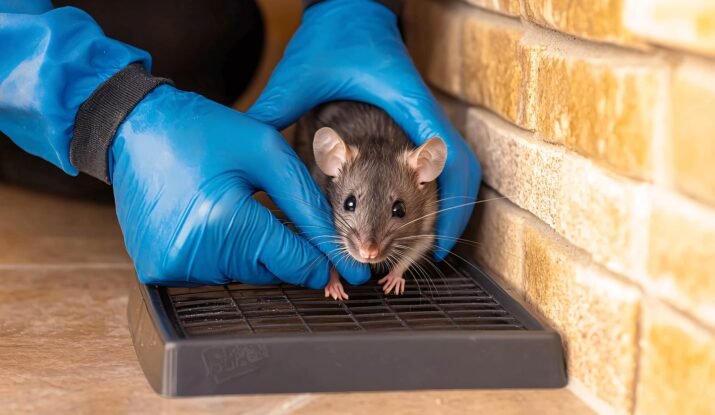
TL;DR
- Rat droppings, scratching sounds, damaged food packaging, and gnaw marks are among the earliest signs of rats in a home.
- Rats often hide behind kitchen cabinets, inside ceilings, near storage areas, and around utility spaces.
- A strong, unpleasant smell may point to rat urine, nesting material, or a dead rodent hidden inside the property.
- Seeing one rat can indicate that others are nearby, particularly when food, water, and shelter are easily available.
- Rat infestations can contaminate food, damage electrical wiring, and create hygiene concerns.
- Avoid handling droppings or attempting to remove a serious infestation without suitable protection.
- Professional rodent control for a two-bedroom apartment may cost around AED 350, depending on the property and the extent of the problem.
- PPJ Solutions provides professional rodent inspections and pest control services for homes and businesses across Abu Dhabi.
- Call 800 775 786 or +971 50 586 6927 to request an assessment and quotation.
That faint scratching sound coming from the kitchen at night is easy to dismiss. You may blame the air-conditioning system, a neighbour moving furniture, or something shifting inside a cupboard. Then you notice torn food packaging, small dark droppings, or an unpleasant smell that was not there before.
At that point, the possibility of rats becomes difficult to ignore.
Rats are naturally cautious and usually avoid people, which means an infestation can develop before anyone actually sees a live rodent. Recognising the first signs of rats in your Abu Dhabi home allows you to act before they contaminate more areas, damage the property, or begin breeding.
Here are the warning signs you should take seriously and what you can do when you find them.
What Are the First Signs of Rats in an Abu Dhabi Home?
 The earliest signs of rats are usually droppings, noises, gnaw marks, disturbed food, greasy marks along walls, and nesting materials. You may notice only one clue at first, but several signs appearing together strongly suggest rodent activity.
Rats are most active at night, so many homeowners hear them before they see them. They usually travel close to walls and hide in quiet, dark places where food and water are accessible.
1. Rat Droppings in Kitchens, Cupboards, or Storage Areas
Droppings are one of the clearest signs of a rodent problem. Rat droppings are usually dark, solid, and larger than cockroach droppings. You may find them:
- Inside kitchen cabinets
- Behind appliances
- Near rubbish bins
- Under sinks
- In storage rooms
- Along skirting boards
- Close to pet food
- Near suspected nesting areas
Fresh droppings tend to look darker and may appear slightly shiny. Older droppings are usually dry, faded, and crumbly.
Do not sweep or vacuum dry droppings immediately. This can disturb contaminated dust and spread it through the room. Keep children and pets away from the affected area and contact a professional pest control team for safe advice.
2. Scratching or Movement Inside the Ceiling
Rats are mostly active after dark. Scratching, scurrying, squeaking, or light thumping sounds at night may indicate movement inside:
- False ceilings
- Wall cavities
- Kitchen cabinets
- Air-conditioning spaces
- Utility rooms
- Service ducts
- Storage areas
The sound may stop as soon as you enter the room because rats tend to freeze when they sense movement. Repeated noises at roughly the same time each night should not be ignored.
Apartment buildings can make the source difficult to identify because sound travels through ceilings, pipes, and shared walls. A professional inspection can help determine whether the activity is inside your apartment or within a shared part of the building.
3. Chewed Food Packets and Damaged Containers
Rats have strong teeth and need to gnaw regularly. They may chew through cardboard, paper, thin plastic, food packets, storage boxes, and even softer building materials.
Check your kitchen and pantry for:
- Small holes in rice, flour, cereal, or snack packets
- Torn rubbish bags
- Damaged pet food bags
- Chewed plastic containers
- Food crumbs scattered inside cupboards
- Fruit or vegetables with bite marks
Food with signs of rodent contact should be discarded. Moving the remaining food into sealed containers may help reduce access, but it will not remove rats already living inside the property.
4. Gnaw Marks on Wires, Wood, and Fixtures
Rodents do not only chew food packaging. They may also gnaw electrical wiring, wooden cabinets, doors, plastic pipes, insulation, and furniture.
Fresh gnaw marks often appear lighter than the surrounding surface. Older marks become darker as dirt and grease collect on them.
Damage to electrical cables is particularly concerning because it can create a safety hazard. When you find chewed wiring, avoid touching exposed sections. Arrange professional pest control and have damaged electrical components inspected by a qualified maintenance technician.
5. Greasy Marks Along Walls and Skirting Boards
Rats tend to follow the same routes repeatedly. Their fur can leave dark, greasy marks on walls, pipes, cabinet edges, and skirting boards.
These smudges may appear near:
- Gaps behind kitchen units
- Openings around plumbing
- Door frames
- Utility cupboards
- Rubbish areas
- Routes between a nest and a food source
You may also notice small footprints or tail marks in dusty areas. A pest control professional can use these clues to understand where rats are entering and how they are moving through the property.
6. A Strong or Unusual Smell
A persistent musky or ammonia-like smell may indicate rat urine, droppings, or nesting activity. The odour may be strongest inside a closed cupboard, underneath the sink, behind the cooker, or near a storage area.
A different, more intense smell may indicate that a rodent has died inside a wall, ceiling, cabinet, or inaccessible space. Air freshener may temporarily mask the odour, but it will not solve the source.
Professional inspection is important because the affected space may need safe removal, cleaning, sanitisation, and sealing to prevent another rodent from entering.
7. Shredded Paper and Other Nesting Material
Rats create nests using soft materials they can collect from the surrounding area. These may include:
- Shredded paper
- Cardboard
- Fabric
- Plastic
- Insulation
- Tissue
- Packaging material
- Dry leaves
Nests are often hidden behind appliances, inside storage boxes, above ceilings, or beneath cabinets. Finding shredded material gathered in one quiet location is a strong reason to investigate further.
Avoid reaching into a suspected nest with bare hands. A rat may still be present, and the area may contain contaminated waste.
8. Unusual Behaviour From Your Pets
Cats and dogs may notice rodents before people do. A pet that repeatedly stares at a cabinet, scratches at a wall, sniffs beneath an appliance, or becomes unusually alert at night may be reacting to hidden movement.
Pet behaviour alone does not confirm an infestation. However, it becomes more meaningful when accompanied by noises, droppings, smells, or food damage.
Keep pet food in sealed containers and avoid leaving bowls of food out overnight. Rats are attracted to easily available food and water, including pet supplies.
9. Seeing a Live Rat During the Day
Rats generally prefer to move when the home is quiet. Seeing one at night is concerning, but seeing a rat during the day may suggest increased activity, competition for food, or a larger infestation.
One visible rat should not be treated as an isolated visitor. There may be other rodents nearby, particularly where nesting sites and entry points are available.
Acting early makes the infestation easier to control and reduces the likelihood of contamination spreading to other rooms.
Where Do Rats Usually Hide in Abu Dhabi Homes?
In apartments, rats often hide near kitchens, false ceilings, utility spaces, plumbing openings, rubbish rooms, balconies, and storage areas. In villas, they may also enter through gardens, drainage routes, garages, outdoor kitchens, roof spaces, or damaged doors.
Common hiding places include:
| Area | Why Rats May Hide There |
|---|---|
| Behind refrigerators and cookers | Warmth, food debris, and limited disturbance |
| Under kitchen sinks | Access to water and gaps around pipes |
| False ceilings | Quiet shelter and routes between rooms |
| Storage rooms | Cardboard, fabric, and nesting material |
| Utility cupboards | Pipes, cables, and concealed openings |
| Balconies | Access from pipes, drains, ledges, or nearby waste |
| Rubbish areas | Regular sources of food and shelter |
Why Are Rats Coming Into Your Home?
 Rats enter homes in search of food, water, and shelter. Even a well-kept property can develop a rodent problem when there are structural gaps or activity elsewhere in the building.
Common causes include:
- Open rubbish bags
- Food stored in weak packaging
- Pet food left out overnight
- Gaps around pipes
- Damaged door seals
- Open balcony access points
- Cluttered storage areas
- Water leaks
- Shared building ducts
- Nearby construction or waste areas
Cleaning is important, but rats are not always a sign that a home is dirty. They may enter through gaps from another apartment, a communal area, or an external service route.
What Should You Do When You Notice Signs of Rats?
Start by protecting food and limiting access to affected areas. Place dry foods in sealed containers, remove accessible waste, clean spills, and keep children and pets away from droppings or nesting material.
Do not rely solely on random traps or poison. Poorly positioned products may fail to control the infestation and can create risks for children, pets, and other occupants. A poisoned rat may also die inside an inaccessible area and create a persistent odour.
Professional rodent control should include an inspection, identification of activity, a suitable control plan, and guidance on closing possible entry points.
How Much Does Rodent Control Cost in Abu Dhabi?
As a general guide, rodent control for a two-bedroom apartment may cost approximately AED 350. Prices may differ depending on the size of the property, severity of activity, access to nesting areas, number of visits needed, location, and treatment approach.
A professional quotation should be based on the actual condition of the home rather than a generic price alone.
Pricing disclaimer: Prices vary according to the scope of work, location, property area, service time, materials required, and the number of staff needed. A site inspection may be necessary before a final quotation is confirmed.
Can Deep Cleaning Help After a Rat Infestation?
Rodent control removes or manages the active pest problem, while deep cleaning addresses dirt, odours, stains, and contamination left in accessible areas. These are separate services and may be recommended together depending on the condition of the property.
PPJ Solutions provides pest control through PPJ Pest Shield and professional deep cleaning through PPJ Clean Pro. PPJ Clean Pro should not be confused with PPJ HomeCare, which is a separate service category.
PPJ Clean Pro Deep Cleaning Price Guide
| Apartment Type | Details | Price Range (AED) |
|---|---|---|
| Studio Apartment | Working hours: 6 | 550 to 600 |
| Cleaning staff: 2 | ||
| Material cost: 50 | ||
| 1 BHK Apartment | Working days: 1 | 850 to 950 |
| Cleaning staff: 3 | ||
| Material cost: 50 | ||
| 2 BHK Apartment | Working days: 1 | 1,230 to 1,350 |
| Cleaning staff: 4 | ||
| Material cost: 100 | ||
| 3 BHK Apartment | Working days: 1 | 1,400 to 1,500 |
| Cleaning staff: 4 | ||
| Material cost: 150 |
Deep-cleaning price disclaimer: Prices vary according to the scope of work, location, property area, service time, materials required, condition of the property, and number of staff needed. The final quotation may change after inspection.
Why Choose PPJ Solutions for Rat Control in Abu Dhabi?
PPJ Solutions offers pest control, cleaning, and general maintenance services across Abu Dhabi. Its rodent control service is delivered through PPJ Pest Shield and can be tailored to residential and commercial properties.
Customers choose PPJ Solutions for:
- Trained and uniformed staff
- Customised treatment plans
- Residential and commercial coverage
- Flexible appointment scheduling
- Monthly and yearly service options
- Approved pest control products and established application methods
- Access to related cleaning and maintenance support
- Clear guidance before and after treatment
- Local service from its Abu Dhabi office
The goal is not simply to place a trap and leave. Proper rodent management involves finding evidence, locating likely entry routes, selecting suitable control methods, and helping the customer reduce the chance of the problem returning.
Book Professional Rat Control in Abu Dhabi
Scratching sounds, droppings, damaged food packets, and unpleasant smells are not signs to watch for indefinitely. Rats can move through hidden spaces, contaminate food areas, damage property, and reproduce when conditions allow.
PPJ Solutions can inspect your home, identify signs of rodent activity, and recommend an appropriate treatment plan for your apartment or villa.
Call 800 775 786 or +971 50 586 6927 to request a quotation.
You can also email info@ppjsolutions.com or visit the PPJ Solutions office at Office 905, 9th Floor, Building 21, Baghdad Street, Al Danah, Abu Dhabi, UAE.
Frequently Asked Questions About Rats in Abu Dhabi Homes
What is the most obvious sign of rats in a home?
Droppings, scratching sounds at night, gnaw marks, damaged food packets, and greasy marks along walls are among the most obvious signs.
Can one rat mean there are more nearby?
Yes. Seeing one rat does not prove there is a large infestation, but it suggests that the property offers an accessible route, food source, water source, or hiding place. A professional inspection is recommended.
Where do rats hide during the day?
Rats usually hide in quiet areas such as false ceilings, storage rooms, wall cavities, utility spaces, underneath cabinets, and behind large appliances.
Are rats common in clean homes?
They can enter clean homes through openings around pipes, doors, balconies, ceilings, and shared building spaces. Cleanliness helps remove food sources, but structural access can still allow rodents inside.
How much is rat control for a two-bedroom apartment in Abu Dhabi?
A guide price is approximately AED 350. The final cost depends on the infestation, property layout, location, number of visits, and scope of work.
Should I clean rat droppings myself?
Avoid sweeping or vacuuming dry droppings. Keep people and pets away from the area and seek professional guidance on safe removal and disinfection.
Will deep cleaning remove a rat infestation?
No. Deep cleaning can address accessible dirt, odours, and contamination, but active rats require professional rodent control. Pest treatment and deep cleaning are separate services.
How can I stop rats from returning?
Store food in sealed containers, manage rubbish properly, fix water leaks, reduce clutter, inspect openings around pipes, and arrange professional sealing or maintenance where necessary. Yearly pest control inspections may also help identify problems early.